Seasonal Trends for Womenswear and Children’s Clothing

Seasonal Trends for Womenswear and Children’s Clothing

Seasonal trends provide direction for colours, materials, prints and garment shapes, but they are not fixed rules. A useful interpretation of a trend takes the season, target group and functional properties of the fabric into account. What works visually in a womenswear collection may require a different material or construction in children’s clothing.

In this overview, we compare the main considerations for spring/summer and autumn/winter. We look not only at appearance, but also at fabric weight, comfort, care and processing.

From Trend Direction to a Wearable Collection

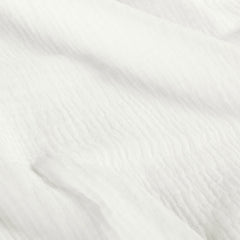
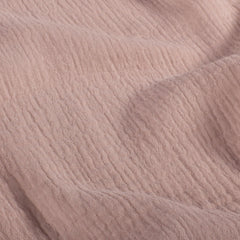
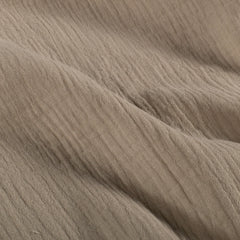
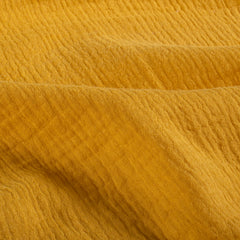
Colour and print often define the first impression of a trend, but fabric structure, sheen, transparency, drape and volume determine how that trend works in a finished garment. The same colour can feel crisp and structured on poplin, soft and airy on muslin, or warmer and more tactile on brushed jersey.

In womenswear, the focus is often on silhouette, movement and visual refinement. Children’s clothing requires extra attention to comfort, freedom of movement, washability and durability. By matching the fabric to the intended garment, you create a collection that looks current and also performs well in everyday use.

Spring and Summer: Lightness, Movement and Fresh Surfaces

Spring and summer collections often focus on lightweight materials, bright or soft colours and garments that allow freedom of movement.

  • Fluid fabrics work well for dresses, blouses, skirts and trousers.
  • Open or fine constructions create an airy appearance.
  • Jersey provides comfort and flexibility.
  • For children’s clothing, choose soft, breathable fabrics with enough freedom of movement.
  • Transparent fabrics are suitable for details and layered looks.

Materials and Structures by Season

The season does not automatically determine which fibre or fabric should be used. Weight, density, surface and moisture behaviour are key factors.

  • Spring/summer: poplin, crêpe, georgette, linen and lightweight jersey.
  • Autumn/winter: fleece, flannel, corduroy, brushed knits, denim and jacquard.
  • Texture and surface influence warmth, sheen and appearance.
  • Consider drape, volume and construction, not only fabric weight.

Translating Trends into Womenswear and Children’s Clothing

Translating a trend means making choices that suit the target group and intended application.

Womenswear

  • Combine materials and shapes to create contrast and balance.
  • Consider drape, silhouette and layered looks.

Children’s clothing

  • Jersey for comfortable garments.
  • French terry for sweaters and jogging trousers.
  • Poplin and cretonne for dresses and shirts.
  • Corduroy and denim for trousers and dungarees.
  • Muslin for lightweight dresses, blouses and layered summer styles.

Practical Tip

Translate a trend into three concrete elements first: colour, surface and application. Only then select the fabric. This helps prevent an attractive material from being used for a garment where the drape, stretch or durability does not suit the intended purpose.

For children’s clothing, add a fourth checkpoint: care. A seasonal fabric should not only be comfortable, but also suitable for the expected washing frequency and daily wear.

Do you have a specific question about Seasonal Trends for Womenswear and Children’s Clothing or an application?
Our AI assistant will help you immediately.

Zum Warenkorb hinzugefügt

Willkommen zurück

0
ART.-NR.

Sie haben noch 0 Artikel in Ihrem Warenkorb.