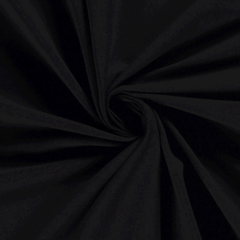
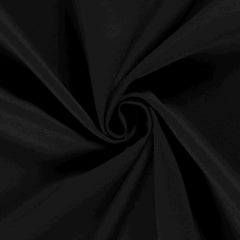
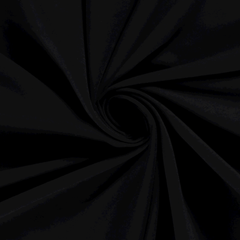
Heavy Knit

What is Heavy Knit Fabric?

Heavy Knit is a collective term for knitted fabrics with more body, density and structure than lightweight knits. It is not one fixed knitting construction: Heavy Knit can include compact, double-knit, ribbed, cable-knit and other structured qualities depending on the yarn and knitting technique. Because the fabric is knitted, it can offer flexibility and comfort while retaining more shape than lighter Jersey fabrics. Within the current Nooteboom Textiles range, Heavy Knit appears in cotton qualities as well as synthetic and blended constructions for clothing, babywear and winter applications.

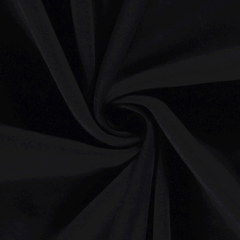
Specifications

  • Construction: knitted fabric with a relatively dense or substantial structure; the exact knit construction varies by quality.
  • Composition: varies and can include cotton (CO), elastane (EL), polyester (PL), viscose (VI), polyamide (PA) and other decorative fibres depending on the quality.
  • Weight: current Nooteboom Textiles examples range approximately from 265 to 380 g/m².
  • Stretchability: varies from limited stretch to clearly elastic depending on the knit construction and fibre composition.
  • Abbreviations: CO = cotton, EL = elastane, PL = polyester, VI = viscose, PA = polyamide.

What Are the Properties of Heavy Knit?

Heavy Knit generally has more body and stability than lightweight knitted fabrics. Its looped construction can still provide flexibility, but the denser structure gives garments a fuller silhouette and more shape. Cotton qualities often have a soft, natural hand, while polyester, viscose, polyamide or elastane can change the drape, stretch and recovery. The surface can be smooth, ribbed, melange or strongly textured, including cable-knit effects.

How Does Heavy Knit Feel?

Heavy Knit usually feels soft, substantial and more structured than a lightweight Jersey. The exact hand depends strongly on the yarn and construction: compact cotton qualities can feel firm and soft, while viscose blends may feel smoother and more fluid. Structured designs such as cable knits have a more pronounced tactile surface.

Applications

  • Sweaters and cardigans: the fuller knitted structure provides body while retaining the flexibility expected from knitwear.
  • Jackets: structured Heavy Knit qualities can be used for soft jackets and cardigan-style outer layers.
  • Dresses: suitable for knitted dresses where more body and shape are required.
  • Trousers: stable qualities can be used for comfortable knitted trousers and relaxed silhouettes.
  • Baby clothing: soft cotton qualities can be used for comfortable knitted garments when the individual article is suitable for the intended use.
  • Blankets: dense knitted qualities can also be used for soft decorative or baby blankets.

Wash Instructions

  • Washing temperature: follow the care label of the individual quality, as cotton, viscose and synthetic Heavy Knits can require different washing conditions.
  • Drying advice: dry flat where possible to help heavier knitted fabrics retain their dimensions and shape.
  • Ironing instructions: use a temperature suitable for the fibre composition and avoid excessive pressure on textured knits.
  • Dry cleaning: only when permitted by the care instructions of the specific quality.
  • Special considerations: perform a wash test before production because shrinkage, relaxation and dimensional change can vary considerably between knit constructions.

Other Information

  • Certifications: OEKO-TEX® STANDARD 100 Product Class I applies to several current Nooteboom Heavy Knit qualities, but certification should always be checked per article.
  • Surface: Heavy Knit can be plain, melange, ribbed or textured, including pronounced cable-knit structures.
  • Width: supply width varies strongly, from narrow tubular qualities to full-width knitted fabrics.
  • Recovery: stretch and recovery should be assessed separately, especially for trousers, fitted garments and cuffs.

Is Heavy Knit a Specific Type of Knit?

No. Heavy Knit is better understood as a category of more substantial knitted fabrics than as one standard knitting construction. Different structures can create a heavy knit, including compact double knits, rib-based constructions and textured knits. This means two Heavy Knit fabrics can differ significantly in stretch, surface, drape and stability even when they have a similar visual weight.

What Is the Difference Between Heavy Knit and Jersey?

Jersey is a broad family of knitted clothing fabrics and often has a relatively smooth, flexible construction. Heavy Knit generally has more density, body and structure, although the exact difference depends on the individual quality. Lightweight Jersey is commonly chosen for T-shirts and flowing garments, while Heavy Knit is more suitable for sweaters, structured dresses, trousers and garments that need additional shape.

Read more about the wider knitted fabric family in our Jersey Fabric Guide.

What Is the Difference Between Heavy Knit and Sweatshirt Fabric?

Heavy Knit describes a broad category of substantial knitted fabrics, while sweatshirt fabric usually refers to a more specific knit made for sweatshirts and casual clothing. Sweatshirt fabrics often have a smooth outer face with a looped or brushed reverse, whereas Heavy Knit can have the same appearance on both sides or feature ribbing, cables and other knitted structures. The best choice therefore depends on whether the garment needs a classic sweatshirt construction or a more visible knitwear character.

Practical Tip

Allow Heavy Knit to relax flat before cutting and check the direction and repeat of any visible knitted structure. For heavier or highly textured qualities, test seam construction and pressing on an offcut to avoid stretching or flattening the surface.

Do you have a specific question about Heavy Knit or an application?
Our AI assistant will help you immediately.

Added to cart

Welcome back

0
ART.NR.

You still have 0 articles in your cart