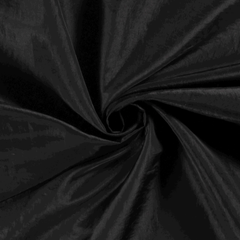
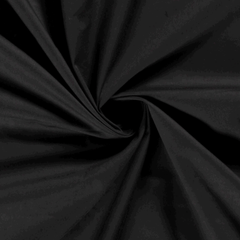
Lining

What is lining fabric?

Lining fabric is a fabric used on the inside of garments, bags or interior items to cover seams, improve comfort and help the outer fabric move smoothly. It is usually lighter and smoother than the main fabric. A lining can make a garment easier to put on, reduce friction and give the inside a cleaner finish.

Lining is especially relevant for jackets, blazers, coats, skirts, dresses and tailored trousers. The right lining depends on the outer fabric, the garment type and the required level of comfort, drape and durability.

View Lining fabrics

Specifications

  • Construction Usually woven, often plain weave, satin weave or twill weave
  • Composition Commonly polyester, viscose, acetate, cupro or blends
  • Fabric weight Commonly around 50 to 120 g/m², depending on fibre, weave and intended use
  • Stretchability Usually little to no stretch, unless elastane is added or a stretch lining is used
  • Abbreviations PES = polyester, CV or VI = viscose, AC = acetate, CU = cupro, EL = elastane

Properties of the fabric

Lining fabrics are often made from smooth filament yarns, which create a fine, even surface. Common qualities include polyester lining, viscose lining, satin lining, twill lining and lightweight woven linings. The surface is usually smooth so the garment can slide easily over other clothing.

A lining should not be chosen only by colour. It also needs to match the outer fabric in weight, drape, care and movement. A heavy coat needs a stronger lining than a light summer skirt, while a stretch garment may need a lining with enough flexibility.

Applications

  • Blazer and jacket linings.
  • Coat linings.
  • Skirt and dress linings.
  • Trouser linings.
  • Bag linings.

Care instructions

  • Follow the care label of the complete garment, not only the lining fabric.
  • Wash at low temperature when the composition and outer fabric allow it.
  • Avoid high heat, as lightweight linings can distort, shrink or become shiny.
  • Iron at low temperature on the reverse side or with a pressing cloth.
  • Choose dry cleaning when the outer fabric, interlining or construction requires it.

Certificates

  • OEKO-TEX Standard 100 may be available depending on the specific lining article.
  • GRS may be possible for recycled polyester linings.

Practical tip

Choose lining by function first: smooth polyester for easy-care garments, viscose or cupro for a softer feel, and stretch lining for garments with elastane. Always test the lining together with the outer fabric, because the two layers need to move, shrink and care in a compatible way.

Do you have a specific question about Lining or an application?
Our AI assistant will help you immediately.

Added to cart

Welcome back

0
ART.NR.

You still have 0 articles in your cart