Satin

What is satin fabric?

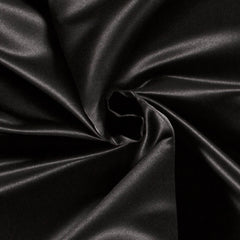
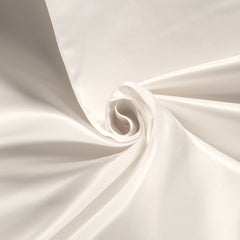
Satin is a smooth, glossy fabric made with a satin weave. This weave places longer yarn floats on the surface, which gives the fabric its soft shine and fluid look. The back side is usually duller than the front, making the difference between face and reverse clearly visible.

Satin is valued for its elegant drape, smooth hand feel and light-reflecting surface. It is used for garments and decorative textiles where a refined finish, fluid movement or subtle sheen is important.

View Satin 

Specifications

  • Construction Woven fabric in satin weave with a glossy face and duller reverse
  • Composition Silk, polyester, viscose, acetate, cotton or blends
  • Fabric weight Commonly around 75 to 230 g/m², depending on fibre, yarn type and intended use
  • Stretchability Usually little to no stretch, unless elastane is added or the fabric is knitted
  • Abbreviations SE = silk, PES = polyester, CV or VI = viscose, AC = acetate, CO = cotton, EL = elastane

Properties of the fabric

Satin is defined by its weave structure, not by one specific fibre. It can be made from silk, polyester, viscose, acetate, cotton or blends. The fibre content strongly influences how the satin behaves: polyester satin is often easy-care and stable, while silk satin is softer, more delicate and more sensitive to care.

The smooth surface can show needle marks, pulled threads and pressing shine more quickly than textured fabrics. Satin also tends to slip during cutting and sewing, so accurate handling is important during production.

Applications

  • Evening dresses.
  • Blouses and tops.
  • Slip dresses.
  • Lining for jackets and coats.
  • Scarves.
  • Decorative cushion covers.

Care instructions

  • Wash satin usually at 30°C on a gentle programme, depending on fibre composition and finish.
  • Wash inside out or in a laundry bag to help protect the glossy surface.
  • Air drying is preferred to reduce creasing, shrinkage and surface damage.
  • Iron on the reverse side at low temperature.
  • Use a pressing cloth and avoid hard pressure to prevent shine marks.

Certificates

  • OEKO-TEX Standard 100 may be available depending on the specific article.
  • GOTS may be possible for satin made from certified organic cotton.

Practical tip

Cut satin in a single layer when precision is important, because the smooth surface can shift easily. Use a fine needle and test stitching first to avoid visible needle marks or pulled threads.

Do you have a specific question about Satin or an application?
Our AI assistant will help you immediately.

Added to cart

Welcome back

0
ART.NR.

You still have 0 articles in your cart