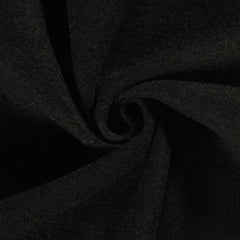
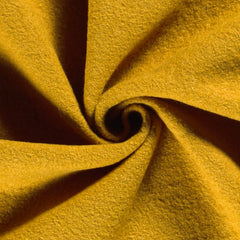
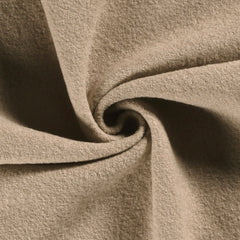
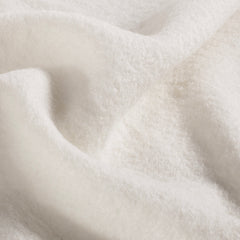
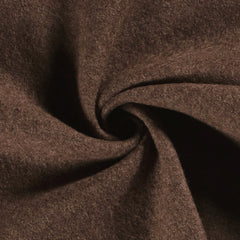
Wool

What is wool fabric?

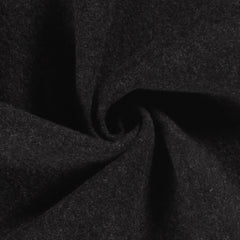
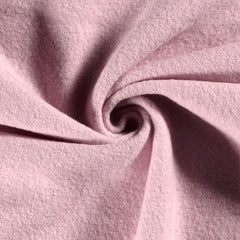
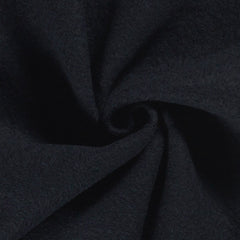
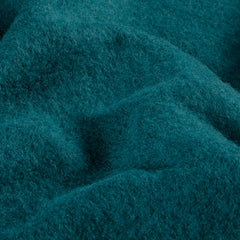
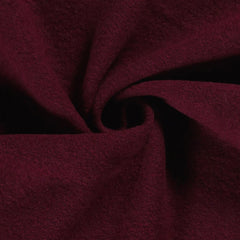
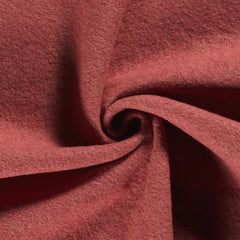
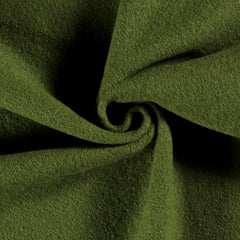
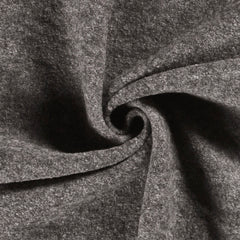
Wool is a natural animal fibre, most commonly obtained from sheep. It is known for warmth, elasticity, moisture absorption and a soft to firm hand feel depending on the fibre quality. Wool can be woven, knitted or felted, which makes it suitable for both structured and flexible fabrics.

Wool is especially relevant for garments that need insulation, shape retention and comfort in cooler conditions. The final fabric can range from fine and smooth to thick, brushed or textured.

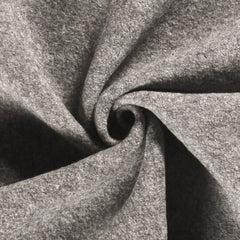
View Wool collection

Specifications

  • Construction Woven, knitted or felted fabric, depending on the specific article
  • Composition Wool or wool blends with fibres such as polyester, polyamide, viscose or elastane
  • Fabric weight Commonly around 150 to 500 g/m², depending on construction, yarn type and intended use
  • Stretchability Natural elasticity; extra stretch possible in knitted wool or blends with elastane
  • Abbreviations WO = wool, WV = virgin wool, PES = polyester, PA = polyamide, CV or VI = viscose, EL = elastane

Properties of the fabric

Wool fibres have a natural crimp, which helps the fabric trap air and provide warmth. The fibre can absorb moisture without feeling immediately wet, making wool comfortable in changing temperatures. It also has natural elasticity, so many wool fabrics recover well from creasing.

Wool can be made into fabrics such as suiting, flannel, felt, bouclé, tweed, jersey or coating. Fine wool qualities feel smoother and softer, while coarser wool fabrics can feel more textured and robust. Wool can shrink or felt when exposed to heat, moisture and friction, so careful care is important.

Applications

  • Coats and jackets.
  • Blazers and tailored trousers.
  • Skirts with structure.
  • Sweaters and cardigans.
  • Scarves and shawls.
  • Warm interior textiles such as blankets.

Care instructions

  • Wash wool only when the care label allows it, usually on a wool programme at low temperature.
  • Use wool detergent and avoid strong mechanical action to reduce felting.
  • Do not tumble dry, because heat and friction can cause shrinkage.
  • Dry flat to help keep the garment in shape.
  • Airing wool between wears can help reduce the need for frequent washing.

Certificates

  • OEKO-TEX Standard 100 may be available depending on the specific article.

Practical tip

Always test pressing and steaming on a leftover piece before sewing wool. Wool responds well to steam shaping, but too much heat, pressure or moisture can cause shine, shrinkage or felting.

Do you have a specific question about Wool or an application?
Our AI assistant will help you immediately.

Added to cart

Welcome back

0
ART.NR.

You still have 0 articles in your cart