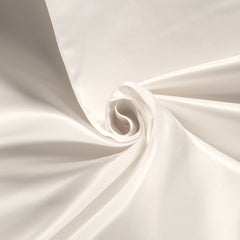
How to choose the right fabric for lining?

How to choose the right fabric for lining?

Choosing the right lining fabric helps improve comfort, fit and durability. A lining covers the inside of a garment, hides seams and helps the outer fabric move smoothly over the body. It can also add opacity, protect delicate outer fabrics and give a garment a cleaner finish.

The best lining depends on the garment type, outer fabric, stretch, weight and care method. A coat needs a different lining than a summer dress, and a stretch garment needs a lining that can move with it.

Why lining choice matters

A lining should support the outer fabric without changing the garment too much. If the lining is too heavy, it can pull the garment out of shape. If it is too stiff, it can restrict movement or make the garment feel uncomfortable.

The surface also matters. Smooth linings help jackets, coats and skirts slide easily over other clothing, while softer linings can improve comfort against the skin. Always check that the lining and outer fabric have compatible care instructions.

Smooth linings for jackets and coats

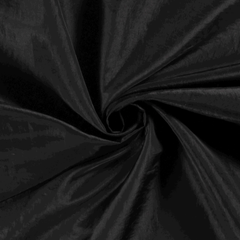
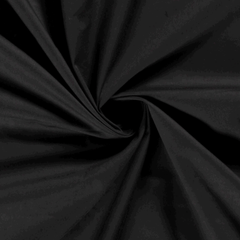
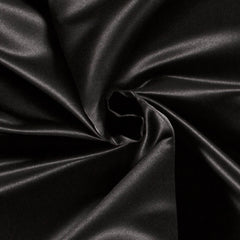
Jackets and coats usually need a smooth lining that allows the garment to slide easily over shirts, blouses or knitwear. Polyester lining, satin lining and twill lining are common options because they have a smooth surface and stable structure. For heavier coats, choose a lining with enough strength for repeated wear.

Best for:

  • Blazers
  • Tailored jackets
  • Coats
  • Waistcoats
  • Structured overshirts

Lightweight linings for dresses and skirts

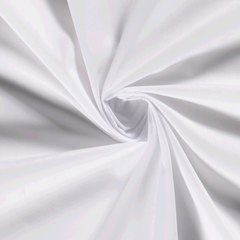
Dresses and skirts often need a lining for opacity, comfort or a cleaner fall. Lightweight lining should be soft enough to move with the outer fabric without adding bulk. For fluid fabrics such as viscose, crêpe or georgette, choose a lining with a similar drape.

Best for:

  • Summer dresses
  • Occasion dresses
  • Skirts
  • Sheer outer fabrics
  • Fluid woven garments

Stretch linings for elastic garments

Stretch garments need a lining that stretches and recovers with the outer fabric. A non-stretch lining can restrict movement, pull at seams or distort the garment during wear. Stretch lining is especially useful for fitted dresses, jersey garments and stretch trousers.

Best for:

  • Fitted dresses
  • Jersey dresses
  • Stretch skirts
  • Dancewear
  • Close-fitting tops

Practical tip

Test the lining and outer fabric together before production. Check movement, opacity, static, stretch recovery and care behaviour, because a lining that works on its own may not work well inside the finished garment.

Do you have a specific question about How to choose the right fabric for lining? or an application?
Our AI assistant will help you immediately.

Added to cart

Welcome back

0
ART.NR.

You still have 0 articles in your cart