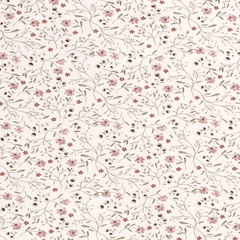
Cotton Jersey

What is cotton jersey fabric?

Cotton jersey is a knitted fabric made mainly from cotton. It has a smooth front, a softer looped back and a flexible structure that moves easily with the body. Because of this knitted construction, cotton jersey feels softer and stretchier than most woven cotton fabrics.

Cotton jersey is often used for comfortable garments that need softness, breathability and freedom of movement. It is especially relevant for T-shirts, longsleeves, baby bodysuits, pyjamas, leggings and simple stretch dresses.


Go to Cotton Jersey

Specifications

  • Construction Knit (single jersey, knit right-left)
  • Composition Typically 95-100% cotton, sometimes blended with 5% elastane
  • Weight Within the Nooteboom Textiles range, we mainly see Cotton Jersey around 200 to 240 g/m², with heavier basics qualities around 300 to 400 g/m²
  • Stretchability Moderate stretch in the width (20-40%), with elastane up to 50%
  • Abbreviations CO = cotton, EL = elastane

What are the properties of Cotton Jersey?

Cotton Jersey is formed from knitted loops instead of interlaced warp and weft yarns, which gives it more natural flexibility than woven cotton fabrics. Single jersey usually has a smooth face and a visibly different reverse side. Cotton contributes softness and moisture absorption, while elastane improves recovery in fitted garments. Cut edges can curl, particularly in single jersey constructions, which should be considered during cutting and sewing.

How does Cotton Jersey feel?

Cotton Jersey generally feels soft, smooth and flexible against the skin. Compared with woven cotton fabrics, it moves more easily with the body and has a softer drape.

Qualities containing elastane usually feel more elastic and recover more effectively after stretching. More compact constructions provide greater body, while lighter qualities fall more softly.

Applications

Wash instructions

  • Wash cotton jersey usually at 30 to 40°C, depending on colour, weight and finish.
  • Wash inside out to help reduce pilling and protect the surface.
  • Air drying is preferred, especially when elastane is included.
  • Iron on the reverse side at low to medium temperature.
  • Avoid high tumble-drying temperatures, as they can affect shrinkage and stretch recovery.

Certifications

OEKO-TEX Standard 100 may be available depending on the specific article.

Practical tip

Choose a higher gram weight (200+ g/m²) for garments that need to retain structure, such as dresses.
Use lighter Jersey (130-160 g/m²) for T-shirts and summer tops.

Do you have a specific question about Cotton Jersey or an application?
Our AI assistant will help you immediately.

Added to cart

Welcome back

0
ART.NR.

You still have 0 articles in your cart