COTTON WHOLESALE

What is Cotton Fabric?

Cotton is a natural textile fibre obtained from the seed hairs of the cotton plant. After harvesting and processing, the fibres are spun into yarn and used to produce a wide variety of woven and knitted fabrics. Within the Nooteboom Textiles assortment, cotton is available in different constructions, including Poplin, Jersey, Canvas and other clothing and decoration fabrics. Cotton is valued for its softness, moisture absorption, breathability and versatility. Its final properties depend on the yarn, fabric construction, weight, finishing and any additional fibres.

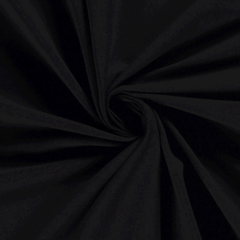
Explore the Cotton Collection

Specifications

  • Construction: natural cellulose fibre used in woven fabrics such as Poplin and Canvas, and knitted fabrics such as Cotton Jersey.
  • Composition: available as 100% cotton or in blends with polyester, elastane, viscose and other fibres; selected Nooteboom Textiles qualities include 100% cotton Poplin and 95% cotton / 5% elastane Jersey.
  • Weight: varies considerably by construction; selected Cotton Poplin qualities weigh approximately 130 g/m², while selected Cotton Jersey qualities weigh 200 to 240 g/m².
  • Stretchability: woven cotton generally has limited natural stretch, while knitted cotton offers greater flexibility; elastane can improve stretch and recovery.
  • Abbreviations: CO = cotton, EL = elastane, PES / PL = polyester, CV / VI = viscose.

What are the properties of Cotton?

Cotton is a cellulose fibre with good moisture absorption and an ability to allow moisture vapour to pass through suitable fabric constructions. Its strength, drape and softness vary according to fibre quality, yarn twist, fabric density and finishing. Tightly woven cotton can provide structure and durability, while knitted cotton usually offers a softer, more flexible handle. Cotton may crease and shrink, particularly when it has not been pre-shrunk or stabilised. Blending it with other fibres can modify its elasticity, crease resistance and drying behaviour.

What does Cotton feel like?

Cotton can feel crisp, smooth, soft or substantial depending on how the fabric is made. Fine Cotton Poplin generally has a clean, slightly crisp handle, while Cotton Jersey feels softer and more flexible. Brushed cotton may have a warmer, softer surface, whereas Canvas often feels firmer and more structured. The fibre itself does not determine the entire feel of the finished fabric.

Applications

  • T-shirts: Cotton Jersey is suitable for soft, flexible everyday T-shirts.
  • Shirts: woven cotton provides the balance of comfort and structure needed for shirts.
  • Blouses: lighter woven cotton qualities are suitable for comfortable blouses and casual tops.
  • Dresses: cotton can be used for both structured summer dresses and flexible knitted styles.
  • Trousers: stronger cotton weaves and selected stretch blends are suitable for casual and tailored trousers.
  • Skirts: woven cotton offers shape for A-line skirts, while knitted qualities allow softer movement.
  • Baby Clothing: appropriately selected cotton fabrics can be used for baby garments when relevant safety requirements are met.
  • Children's Clothing: cotton is suitable for many everyday children's garments because of its comfort and variety of constructions.
  • Pyjamas: softer woven and knitted cotton qualities are suitable for comfortable nightwear.
  • Tablecloths: suitable woven cotton fabrics can be used for table linen when their care and stain resistance meet the intended requirements.
  • Bedding and Home Textiles: appropriate cotton weaves are suitable for bed linen, pillowcases and other washable household textiles.

Wash Instructions

  • Washing Temperature: many cotton fabrics can be washed at 30 to 40°C, while certain white, colourfast qualities may allow 60°C; always follow the specific care label.
  • Drying Advice: air drying helps reduce shrinkage and excessive creasing; tumble drying should only be used when permitted by the care instructions.
  • Ironing Instructions: many pure cotton fabrics tolerate medium to high ironing temperatures, but blends, coatings, prints and finishes may require lower settings.
  • Dry Cleaning: only when permitted by the care label; many everyday cotton fabrics can be washed normally.
  • Special Considerations: separate strong colours during initial washes, avoid unnecessary high heat and handle garments carefully when wet.

Other Information

  • Certifications: selected cotton fabrics from Nooteboom Textiles carry OEKO-TEX® STANDARD 100 certification; certification and product class must be checked for each article.
  • Sustainability Aspects: cotton is a renewable, biodegradable natural fibre under suitable conditions, but its environmental impact depends on cultivation, irrigation, pesticide use, processing, dyeing and the longevity of the finished textile; conventional cotton is not automatically organic.
  • Shrinkage and Prewashing: prewashing is recommended because cotton fabrics may change dimensions during initial washing and drying.
  • Width: selected Nooteboom Textiles Cotton Poplin is approximately 145 cm wide, while selected Cotton Jersey articles are approximately 150 to 155 cm wide; other constructions may differ.
  • Colours and Designs: cotton is available in plain, yarn-dyed and printed designs, including stripes, checks, floral patterns and digital prints.
  • Seasonal Suitability: lightweight cotton can be suitable for warm-weather clothing, while denser, heavier or brushed constructions are also used in cooler seasons.

What is the difference between Cotton and Polyester?

Cotton is a natural cellulose fibre, while polyester is a manufactured synthetic fibre. Cotton generally absorbs more moisture, whereas polyester absorbs relatively little water and often dries faster. Polyester may offer better crease resistance and dimensional stability, while cotton can provide a softer, more natural handle. The actual comfort, strength and care requirements depend on the finished fabric and construction rather than fibre composition alone.

What is the difference between Cotton and Linen?

Cotton and linen are both plant-based cellulose fibres, but cotton comes from the seed hairs of the cotton plant, while linen is obtained from the stems of flax plants. Linen often has a crisper handle and distinctive natural texture, whereas cotton is available in a wider range of soft and smooth fabric constructions. Both can absorb moisture and crease, although their wrinkle patterns, drape and feel differ. The best choice depends on the desired appearance, structure and care requirements.

What is the difference between Cotton Poplin and Cotton Jersey?

Cotton Poplin and Cotton Jersey can both contain a high percentage of cotton, but their constructions are different. Poplin is a woven fabric with a stable structure, usually suitable for shirts, blouses and more structured dresses. Jersey is knitted and naturally more flexible, making it suitable for T-shirts, underwear and comfortable everyday clothing. Cotton Jersey qualities containing elastane offer additional stretch recovery, while conventional Cotton Poplin generally has little stretch.

Read more in our Cotton Poplin Fabric Guide and Cotton Jersey Fabric Guide.

Practical Tip

Choose the cotton construction before selecting a sewing pattern, because a woven cotton and a knitted cotton behave very differently. Prewash a sample and use a universal needle for woven cotton or a ballpoint needle for Cotton Jersey.

FAQ

Does 100% cotton shrink after washing?
Yes, 100% cotton can shrink during washing, particularly if it has not been pre-shrunk. Shrinkage depends on the fabric construction, finishing and drying temperature. Wash and measure a sample before cutting to assess dimensional changes.
Is cotton suitable for sensitive skin?
Soft cotton fabrics can feel comfortable against sensitive skin, but suitability also depends on dyes, finishes, surface friction and individual sensitivities. For garments worn directly against the skin, consider the selected quality and relevant certifications.
Does cotton fabric fade in sunlight?
Cotton fabrics can lose colour after prolonged exposure to sunlight, especially when dyes have limited lightfastness. The degree of fading depends on the dye, colour and finishing treatment. Check lightfastness requirements for curtains and other textiles exposed to daylight.
Which sewing needle should you use for cotton?
A universal needle in size 70/10 or 80/12 is often suitable for lightweight to medium-weight woven cotton. Heavier cotton fabrics may require a stronger needle, while knitted Cotton Jersey generally benefits from a ballpoint or stretch needle. Test the needle on a fabric offcut.
How can you tell whether cotton fabric is good quality?
Assess the evenness of the yarn and fabric, appropriate density, finish, colourfastness and performance after washing. Fibre length and yarn quality can affect softness, strength and surface appearance, but high quality cannot be determined from thickness or price alone.

Do you have a specific question about Cotton or an application?
Our AI assistant will help you immediately.

Added to cart

Welcome back

0
ART.NR.

You still have 0 articles in your cart